Intermediation
How China Solved the Intermittency Issue

“China’s grid is an instrument of the state; America’s is a marketplace.”
— VanEck analysis of IEA data and China vs U.S. grid philosophy
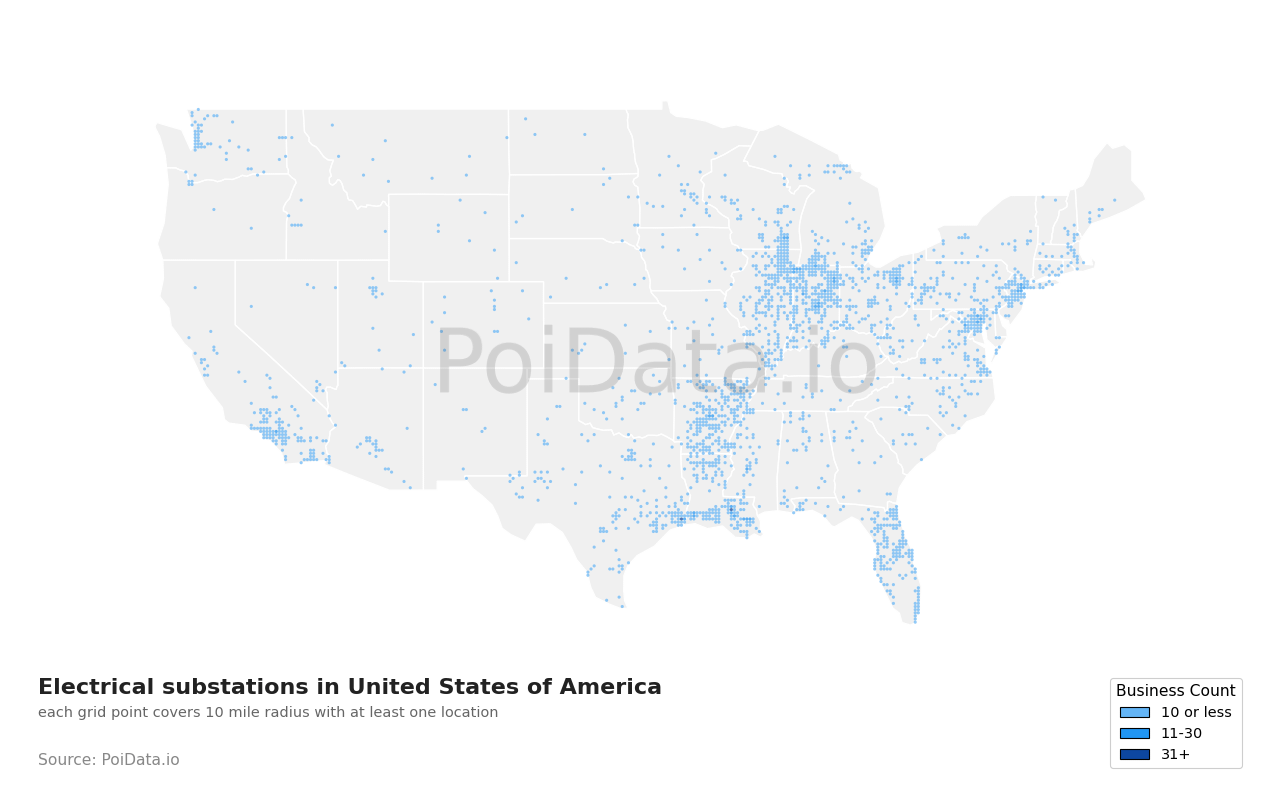
The United States and Europe are entering what is commonly called an energy transition—though in practice it is energy addition—with a constraint few anticipated and even fewer planned for: a shortage of transformers. Across the world, rich and poor nations alike are racing to install wind and solar capacity at unprecedented speed, driven by electrification, economic development, and the early demands of the AI era. Generation capacity is expanding quickly and the grid meant to absorb it is not. Infrastructure designed for a different energy system is straining under loads it was never built to carry, and aging equipment, long lead times, and manufacturing bottlenecks are now understood not as technical inconveniences, but as energy-security risks. Even the usual institutional optimists have begun to acknowledge the problem.
In the United States, industry specialists describe a transformer crunch measured in years, not quarters. Utilities face rising costs, stretched delivery schedules, and deferred projects not because generation cannot be built, but because it cannot be connected. Since 2019, demand for large power transformers has risen by roughly 116 percent, while demand for distribution transformers has increased more than 40 percent. Domestic manufacturing has failed to keep pace. Imports now account for the majority of new supply, even as prices climb and delivery windows extend well beyond normal planning horizons.
This is no longer a procurement nuisance. It is a binding constraint. Transformers are not optional accessories to the grid. They are the hardware that conditions, stabilizes, and delivers electricity. Without them, capacity additions exist only on paper—a specialty of Western Democracies. The “energy transition” has collided with an infrastructure bottleneck it never priced in. The deeper issue is structural: modern power systems are being asked to absorb rising shares of intermittent generation without first rebuilding the grid that must intermediate it.
Intermittency, however, is not a modern discovery. Renewable energy is not a modern invention. Before coal, oil, and gas, nearly every civilization relied on renewable power, and nearly every one encountered the same limitation: nature does not produce energy on command. Medieval Europe depended on watermills and windmills for grinding grain, sawing timber, fulling textiles, and early metallurgy, but production clustered tightly around rivers and prevailing winds. When rivers froze or ran dry, mills stopped. When winds calmed, output vanished. Economic activity followed hydrology and weather, not schedules.
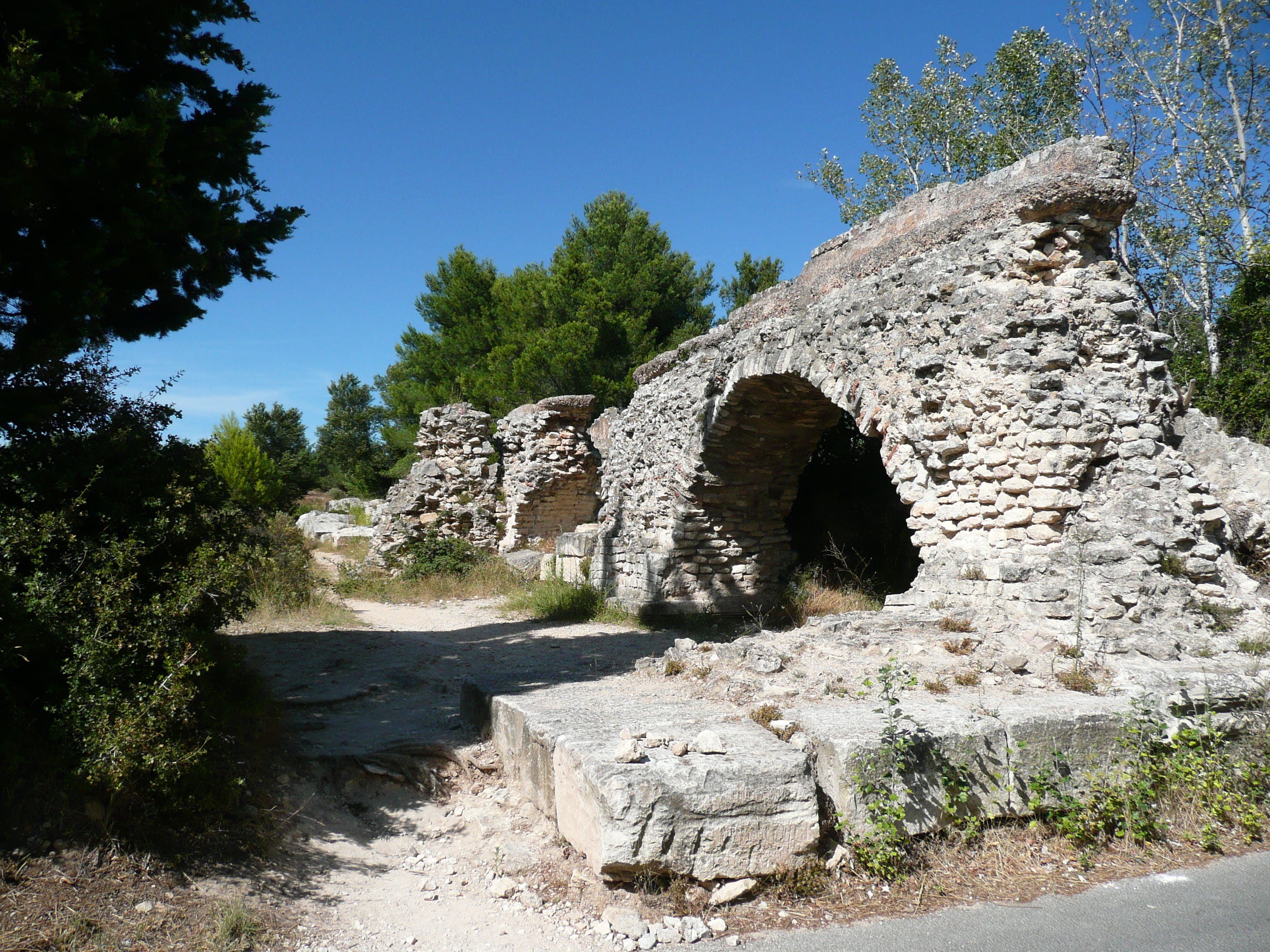
The Roman world confronted the same boundary. By the first century, the empire had deployed complex water-powered milling systems, including the industrial-scale Barbegal complex in what is now France. Output still rose and fell with seasonal flows. Drought reduced food processing. These societies did not stall because renewable energy was inefficient. They stalled because it was intermittent. Energy could not be stored, dispatched, or redirected when demand shifted. Economic complexity remained capped by energy uncertainty.
The industrial revolution broke that constraint. It was not merely a change in fuel; it was an escape from intermittency. Coal severed the link between energy production and geography. Power could be stockpiled, transported, and released on demand. Factories no longer followed rivers. But modern wind and solar partially unwound that achievement by reintroducing variability into systems that require continuous balance and millisecond-level precision. A medieval mill could stop when the wind died. A modern grid cannot. That asymmetry defines the contemporary problem.
