Choke Collar
The next piece in the U.S. march towards escalation dominance with China

“Amateurs talk strategy. Professionals talk logistics.”— Omar Bradley
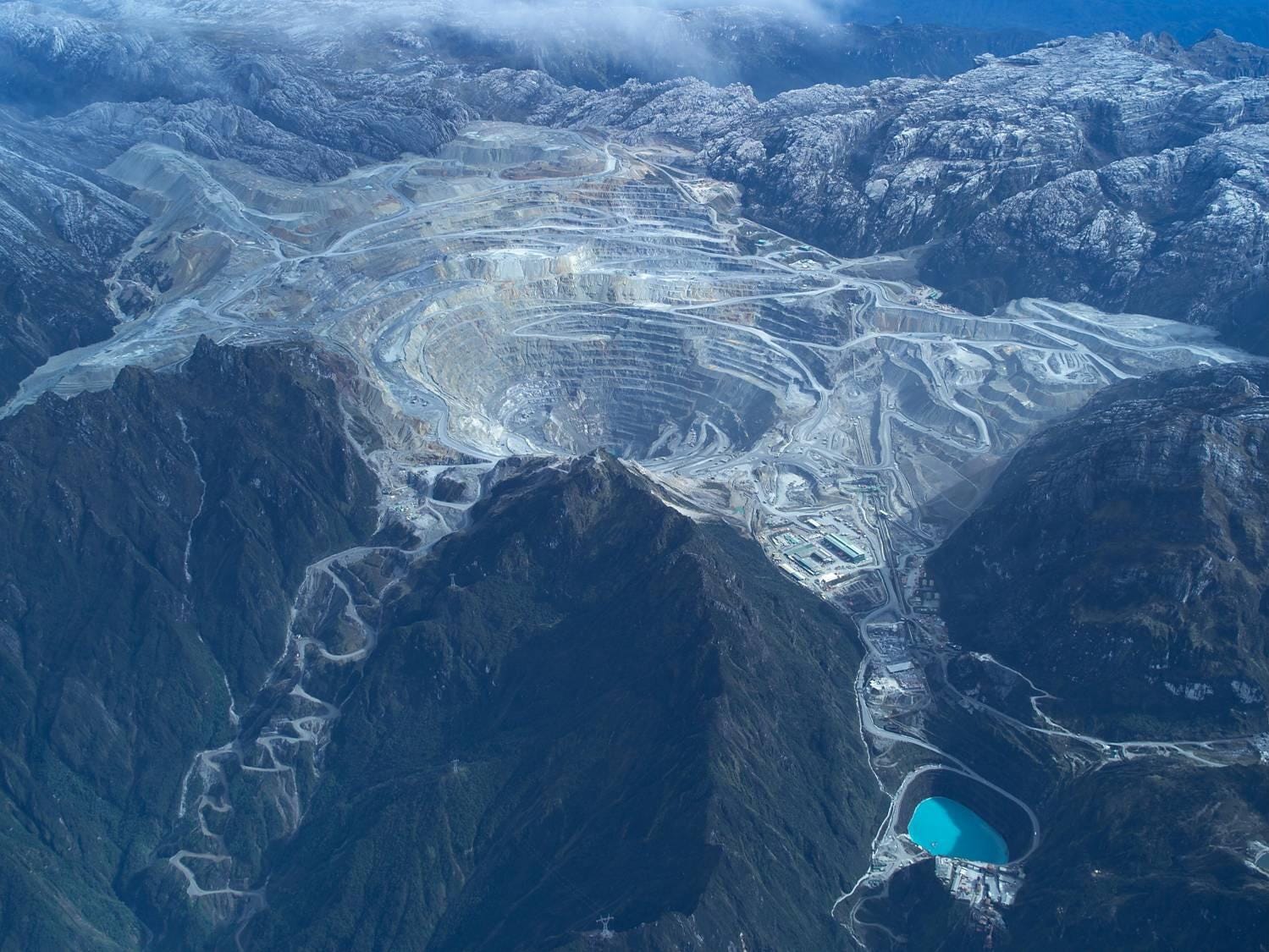
In the highlands of Papua, Indonesia, one of the most consequential mining operations in the world sits atop a vast copper and gold system: the Grasberg mine. Its significance extends beyond geology. From its earliest development, Grasberg has reflected the alignment of state power, capital, and access, shaped as much by geopolitical circumstance as by the ore body itself.
Dutch geologists first identified copper mineralization in the region in the 1930s, but the deposit remained largely undeveloped through war and decolonization. It was not until the late 1960s, under Suharto’s government, that a U.S.-backed consortium secured rights to develop the Ertsberg deposit, establishing what would become Freeport-McMoRan’s long-standing presence in the region. By 1988, exploration confirmed reserves exceeding 30 billion pounds of copper and tens of millions of ounces of gold, placing Grasberg among the largest combined copper and gold systems ever brought into production and anchoring a relationship between Indonesian sovereignty and American industrial involvement that persists today.
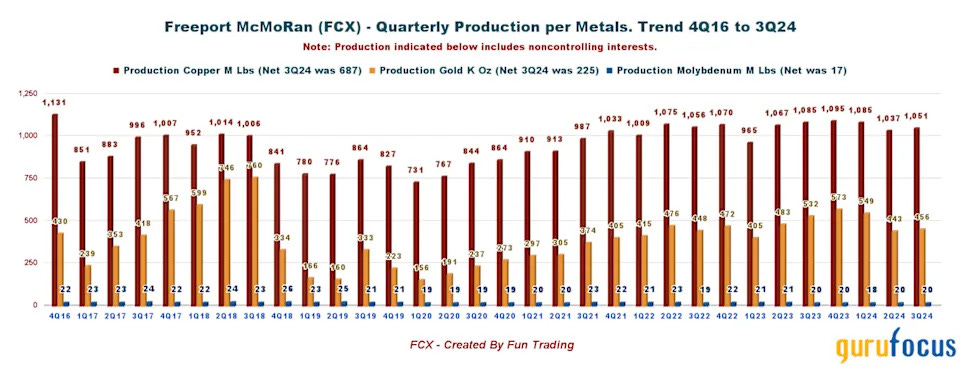
That relationship is visible not only in ownership but in output and market impact. Grasberg has historically accounted for roughly 3 to 4 percent of global copper supply, producing between 700,000 and 800,000 tonnes annually in peak years, alongside a comparable share of global gold output. Even after Indonesia consolidated control in 2018, securing a 51.24 percent stake through its state holding company while Freeport-McMoRan retained 48.76 percent, the mine remained embedded in a pricing, financing, and demand structure in which American firms and markets continue to play a defining role. Recent disruptions reinforce that scale. The 2025 force majeure tied to tailings constraints is expected to remove roughly 591,000 tonnes of copper supply through 2026, tightening a market already facing structural deficits driven by electrification, grid expansion, and defense demand.
Grasberg is not an isolated asset. It sits within a broader Indonesian resource base that has become central to global industrial supply. Indonesia holds the world’s largest nickel reserves and has expanded production to more than 2 million tonnes annually, accounting for roughly 55 to 60 percent of global mined supply. The country also produces close to 30 percent of the world’s tin, exports more than 500 million tonnes of coal per year, and maintains a growing role in LNG and regional gas flows. This concentration of resources has transformed the archipelago into one of the few places where energy, metals, and industrial inputs converge at scale.
Let’s dig and see what’s been brought up to the surface.
